跳至主要内容

BTMA--Why Do Impact Crusher Blow Bars Break?


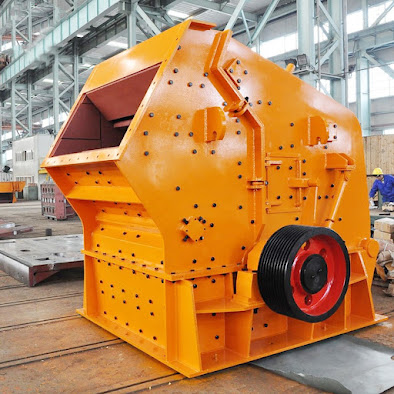
There are many reasons why impact crusher blow bars break. The most common of these is that the bar is not straight. It may also be worn out or not machined to exact specifications. Another common cause of a broken blow bar is that it is not properly fitted to the rotor. A professional repair shop should be consulted before replacing the entire impact crushing unit. Here are some helpful tips. A broken blow bar may be caused by a few things.

Chrome: This steel material has a long history of use in crushing equipment. It is commonly used in jaws, cones, and shells. It is suitable for crushing rocks, and is not suitable for tramp metal applications. High-chrome steel is another type of high-performance steel. CRA ceramic and manganese are popular alloys for impact crusher blow bars, and they are a good choice for some applications.

BTMA brand of impact crusher blow bars is made of a high-strength, quench-tempered steel. These bars are three times stronger than carbon steel and have excellent toughness. They are available in high-chromium white iron and manganese. Whether you need to crush limestone, rock, or any other material, the right blow bar will make the difference between a successful and unsatisfactory crushing process.

评论

发表评论

此博客中的热门博文

BTMA--Can the crusher handle wet materials

The crusher converts the fruit tree pruning waste branches into biomass fuel. This allows for recycling and protection of the environment. Many people ask if this equipment can handle wet materials. The crusher's performance is affected by the moisture content. Different crushers have different requirements regarding the moisture content. A higher moisture content can hinder the process of materials. Below 6% moisture level will have a good effect on the processing. This has a huge impact on crusher work and can also have a significant impact on equipment output and performance. Normal circumstances will result in the wood being fibrous when it is wet and hit with the hammer. If there are fibers, this will impact the performance of the hammer when processing. This crusher is effective. This will result in a lower efficiency. The output of the work will therefore be lower. The fiber in the middle of dry wood will be less than that of dry wood. Therefore, if the hammer or the blad...

BTMA--Choosing a counterattack crusher manufacturer

The impact crusher is a machine that crushes the material by squeezing the material between the rotor and the hammer. It has a large feed inlet and conveys materials through a high-speed rotating rotor. When the plate hammer rotates, it will hit the materials in the crushing cavity and throw them upward into the impact plate. As a result, the material is crushed and then thrown out of the crushing chamber. The final particle size can be adjusted by adjusting the distance between the rotor and the impact frame. To determine which impact crusher is best for a given application, consider the following: material to be crushed, electric drive, pre-screening before the crusher, overload system, pan feeder under the crusher, and service And operator friendly. Finally, choose an impact crusher with the correct size and specifications. When purchasing an impact crusher, please consider the flow of materials through the machine. It is very important to choose the right size impact crusher manu...

BTMA--How does the jaw crusher work?

Jaw crusher is a commonly used industrial machine for crushing rocks and ore. Its main purpose is primary crushing. It has a wide range of applications, including mining, construction materials, metallurgy, electric power, and transportation. One of the characteristics of the jaw crusher is that it is relatively simple to operate and extremely versatile. The most important details about the jaw crusher are listed below: 1. How does the jaw crusher work? The main feature of the jaw crusher is the opening and the discharge port. The size of the opening determines how much material it can handle. For primary and secondary types, the gap is usually 1/3 to 1/8 of the feed size. The size of the jaw crusher depends on how big rocks it can handle and how much TPH it can produce. To determine a suitable jaw crusher, please consider its maximum stone and TPH tonnage rate. The opening of the jaw crusher is described in terms of its CSS or closed side setting. OSS is the distance between the o...